



超声波清洗的生产重要的三大核心要求
作者:创始人来源:https://www.jnthcsb.com/时间:2026-07-01
超声波清洗机的核心原理基于“空化效应”。其工作流程为:超声波发生器产生高频电信号(通常20kHz以上),换能器(如压电陶瓷或磁致伸缩材料)将电能转化为高频机械振动,振动通过清洗槽壁传递至清洗液中形成超声波。
The core principle of ultrasonic cleaning machine is based on the "cavitation effect". The workflow is as follows: the ultrasonic generator generates high-frequency electrical signals (usually above 20kHz), and the transducer (such as piezoelectric ceramics or magnetostrictive materials) converts electrical energy into high-frequency mechanical vibrations. The vibrations are transmitted through the cleaning tank wall to the cleaning solution to form ultrasonic waves.
超声波以正压和负压高频交替变化的方式在清洗液中疏密相间地向前辐射传播。在负压作用时,液体中产生真空核群泡;在压缩力作用时,真空核群泡受压力压碎时产生强大的冲击力,由此剥离被清洗物表面的污垢。气泡破裂瞬间产生能量出色大的冲击波,相当于瞬间产生几百度的高温和高达上千个大气压的压力。这种巨大的能量能破坏不溶性污物而使其分散于溶液中,达到精密洗净的目的。
Ultrasonic waves radiate forward in the cleaning solution in a high-density alternating manner, alternating between positive and negative pressures at high frequencies. When subjected to negative pressure, vacuum nucleate bubbles are generated in the liquid; When subjected to compressive force, the vacuum core group bubble generates a strong impact force when crushed under pressure, thereby peeling off the dirt on the surface of the cleaned object. The burst of a bubble instantly generates a shockwave of immense energy, equivalent to producing temperatures of several hundred degrees Celsius and pressures of up to thousands of atmospheres. This tremendous energy can destroy insoluble pollutants and disperse them in the solution, achieving the goal of precise cleaning.
除空化作用外,超声波清洗还利用加速度作用和直进流作用对液体和污物产生直接、间接的作用,使污物层被分散、乳化、剥离。
In addition to cavitation, ultrasonic cleaning also utilizes acceleration and direct flow to have direct and indirect effects on liquids and pollutants, causing the pollutant layer to disperse, emulsify, and peel off.
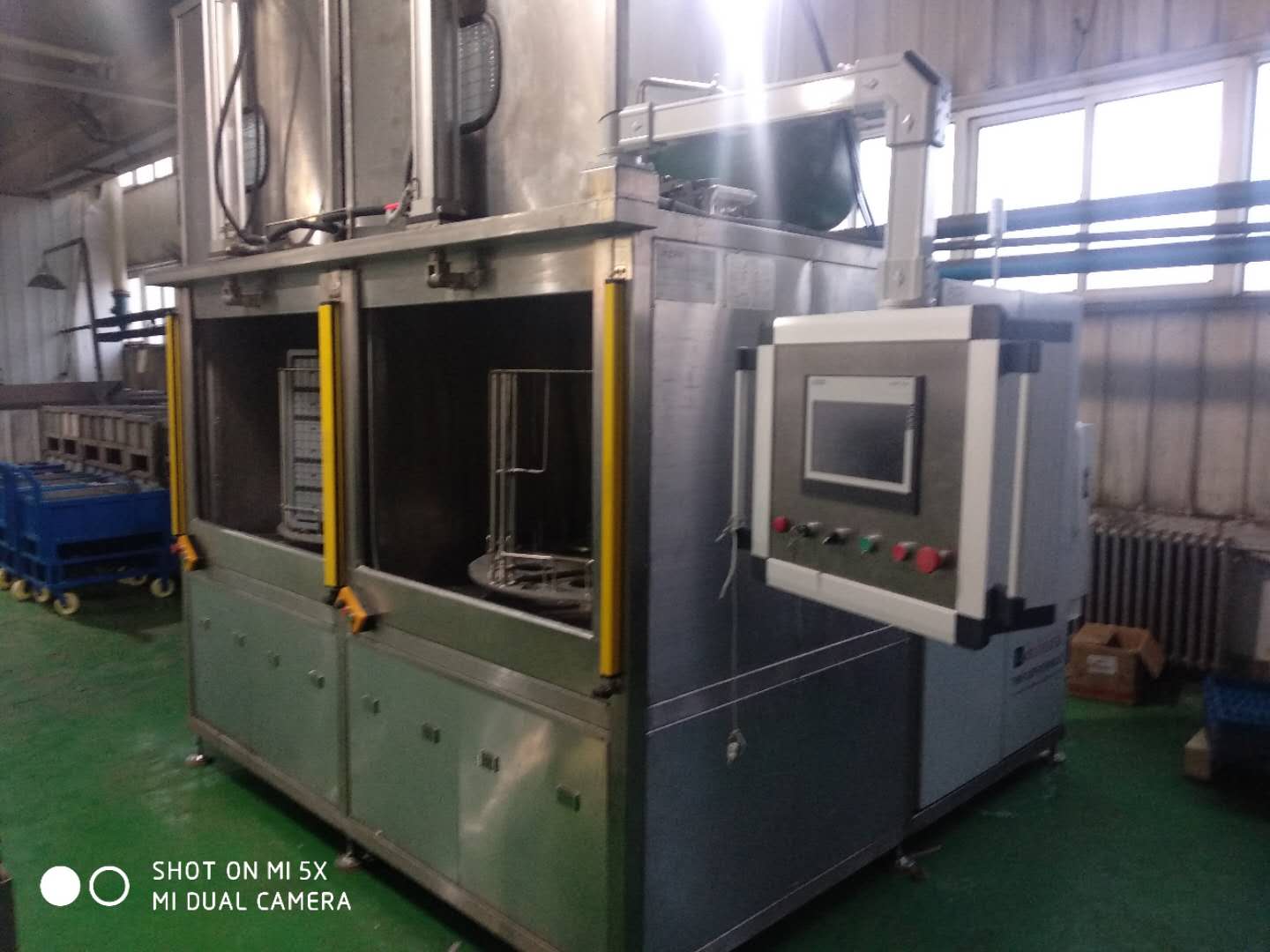
超声波清洗机主要由三大核心部分组成:
The ultrasonic cleaning machine mainly consists of three core parts:
(一)超声电源(超声频电功率源) 。将工业用电转换成超声频电功率的输出装置。早期采用电子管器件,体积大效率低,目前已被晶体管替代,可实现效率高、功率大、体积小的特点。
(1) Ultrasonic power supply (ultrasonic frequency electric power source). An output device that converts industrial electricity into ultrasonic frequency electrical power. In the early days, electronic tube devices were used due to their large size and low efficiency. However, they have now been replaced by transistors, which can achieve high efficiency, high power, and small size.
(二)超声波换能器。分为磁致伸缩型和电致伸缩型(压电式换能器)两类。换能器将电能转换为同频机械振动能。
(2) Ultrasonic transducer. It is divided into two types: magnetostrictive type and electrostrictive type (piezoelectric transducer). The transducer converts electrical energy into mechanical vibration energy of the same frequency.
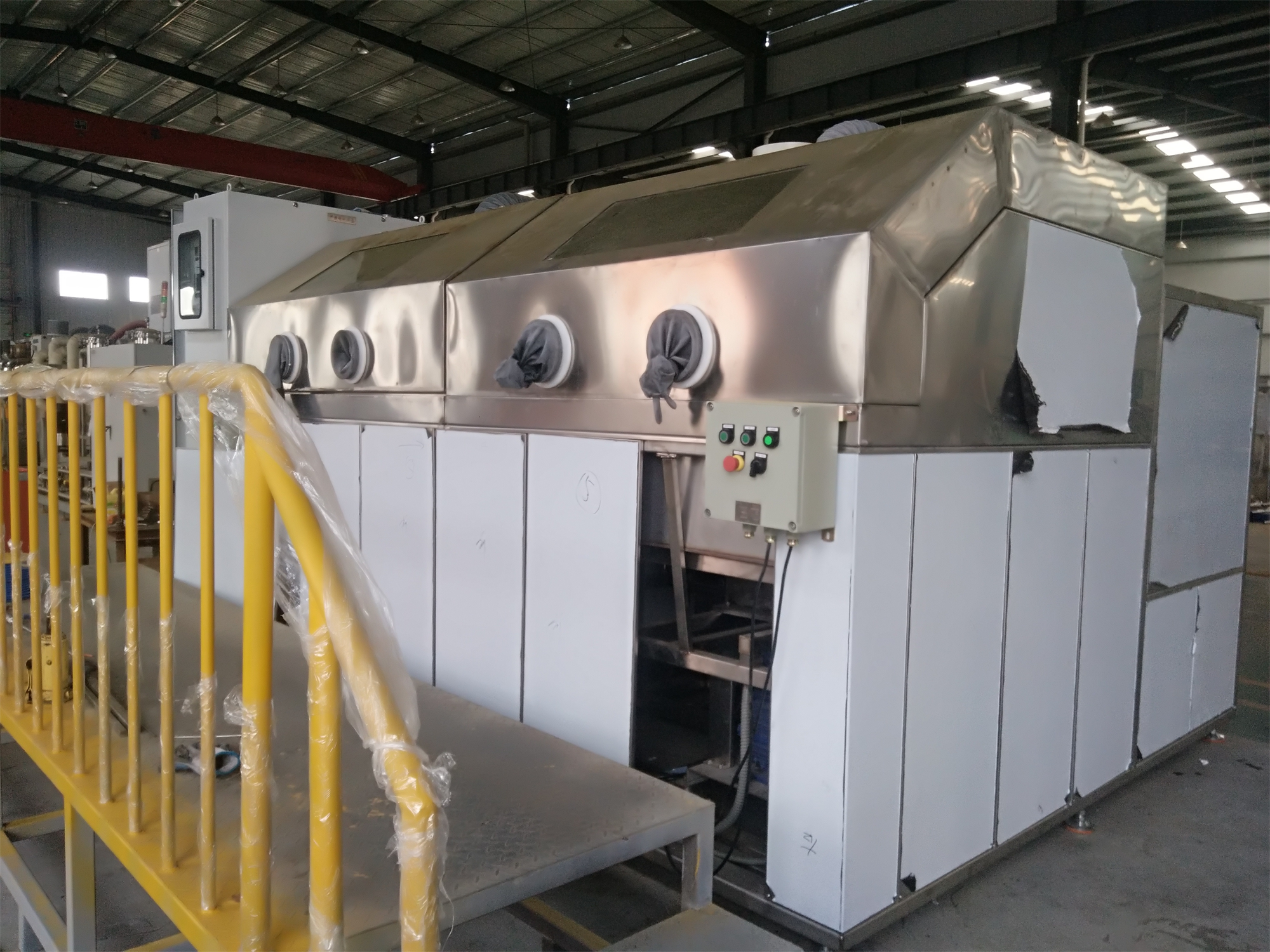
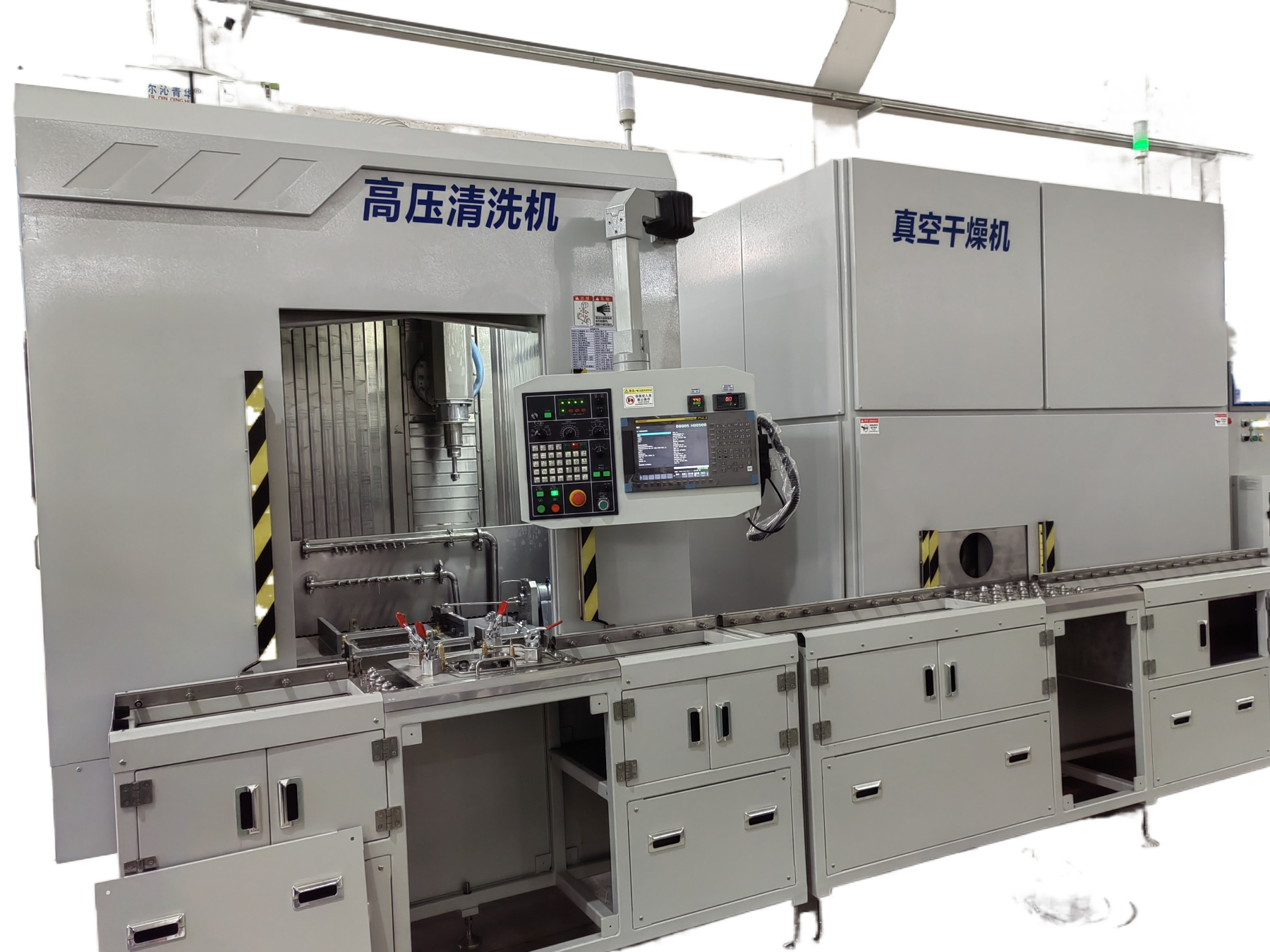
(三)清洗槽。盛清洗介质的容器,非常基本的要求是透声,工业上一般采用既透声又耐腐蚀的不锈钢制造。清洗槽可以是单槽,也可以由多个单槽组合成连续的生产线。清洗槽外围可安装加热及控温装置,加热可大大提高超声波清洗效率。
(3) Cleaning tank. The most basic requirement for containers containing cleaning media is sound transmission, and stainless steel that is both sound transparent and corrosion-resistant is generally used in industry. The cleaning tank can be a single tank or a continuous production line composed of multiple single tanks. Heating and temperature control devices can be installed around the cleaning tank, and heating can greatly improve the efficiency of ultrasonic cleaning.
本文由超声波清洗机友情奉献.更多有关的知识请点击:http://www.jnthcsb.com真诚的态度.为您提供为多维度的服务.更多有关的知识我们将会陆续向大家奉献.敬请期待.
This article is a friendly contribution from the sonic cleaning machine For more information, please click: http://www.jnthcsb.com Sincere attitude To provide you with comprehensive services We will gradually contribute more relevant knowledge to everyone Coming soon.
 常见问题
常见问题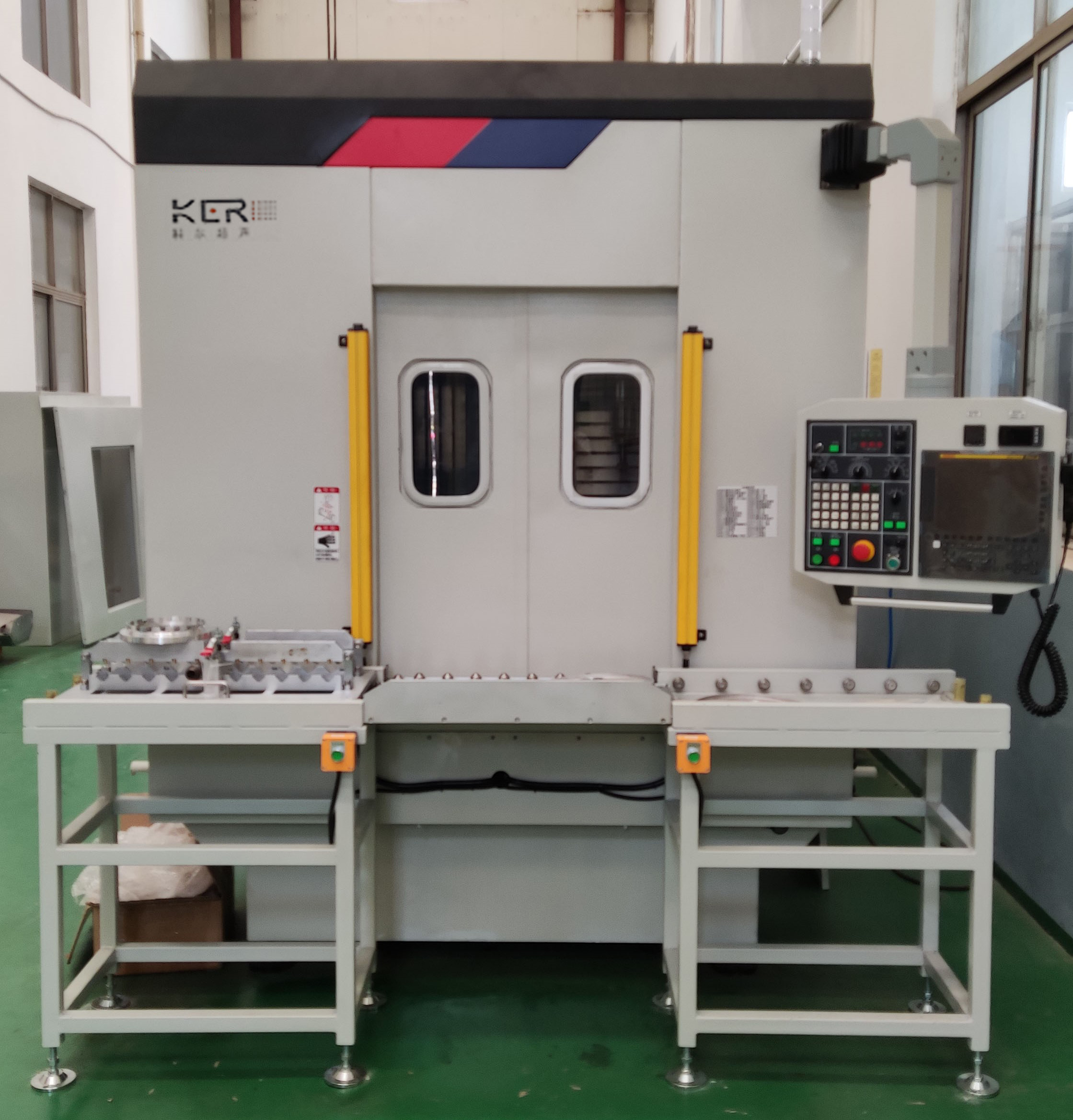
推荐文章
 联系我们
联系我们 公司:济南科尔超声波设备有限公司
  热线:18663767799
 地址:山东省济南市济阳区创业路与启航街交叉口南40米

济南科尔超声波设备有限公司
Jinan Keer ultrasonic equipment Co., Ltd
 咨询电话:18663767799
 E-MAIL:jnkergs@163.com
 地址:山东省济南市济阳区创业路与启航街交叉口南40米
 鲁公网安备 37011202001385号

扫一扫,更多精彩